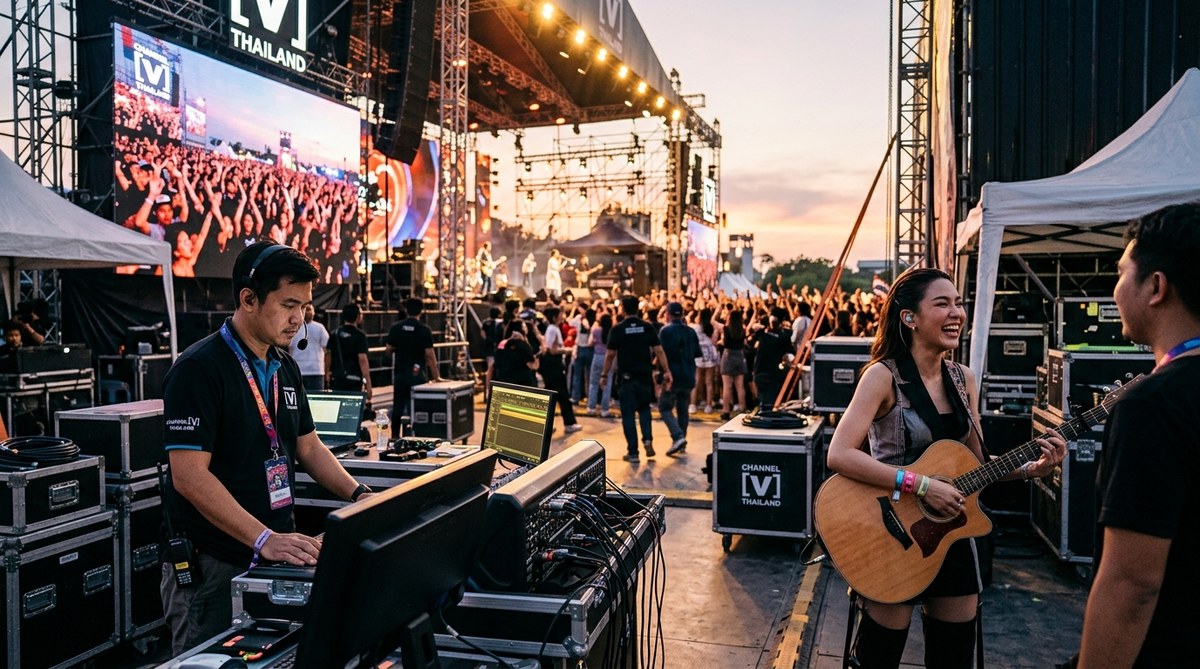
The buzz starts long before the first note hits the air. In Thailand, festivals are more than a lineup or a sun setting over a stage; they are living laboratories where indie artists collide with local crafts, sound engineers chase perfect tones, and fans become part of a shared sensory experience. At ChannelVThailand, we chase those behind the scenes moments that give Thai music festivals their distinctive heartbeat. From the alleyway gear swaps to the glow of LED stages under Bangkok skies, the story of Thai festival culture is a story about collaboration, innovation, and the unpredictable magic that happens when thousand of people come together for live music.
Inside Thai Music Festivals: Venues, Vibes, and Voices
Thailand hosts a spectrum of festival environments, from urban rooftop showcases to expansive outdoor grounds set against lush hills. The venue is a character in its own right — it defines acoustics, crowd flow, and even fashion choices. The backstage crew treats each space like a blank canvas that demands creative problem solving.
The Big Stage vs The Backyard Stage
- The Big Stage brings crowd energy amplified by professional rigs, top tier sound, and LED walls that paint the night.
- The Backyard Stage offers intimacy, often showcasing emerging acts and experimental sets that invite audience members to linger, chat, and discover.
- Both require a shared discipline: sound integrity, safety protocols, and a clear stage plot so acts can move fluidly from one slot to the next.
The People Behind the Sound: Production Teams and Local Technicians
- Audio engineers, lighting designers, and stage technicians are the unsung heroes, often working overnight to calibrate systems, balance frequencies, and test every mic.
- Local contractors bring knowledge of weather, equipment availability, and venue quirks that international crews might not anticipate.
- Volunteer squads and field coordinators form the human backbone, guiding flow, answering questions, and keeping the energy high even during downtime.
The Roles of Venues: From Parks to Warehouses
- Parks and outdoor arenas offer a natural amphitheater feel, demanding weather contingency plans and robust outdoor gear.
- Industrial spaces and repurposed warehouses provide raw acoustics and tactile visuals, but require sophisticated rigging and climate control.
- Waterfronts and floating stages introduce unique wind and humidity challenges that push crews to innovate quickly.
The Lineup: How Indie Artists Break Through
- A lot happens in the months leading up to show time: demo submissions, local label scouting, and festival bookers chasing a vibe rather than a single hit.
- Curators often mix established regional acts with rising stars to create a discovery arc for attendees.
- Cross-genre collaborations spark surprising moments that become festival folklore and social media gold.
Visuals and Audiences: The People Who Make Festivals Alive
- Visual art installations, street murals, and light shows transform stages into multi-sensory events.
- Vendors, food stalls, and craft corners offer a sensory counterpoint to the music, inviting fans to linger and connect.
- Fashion at Thai festivals blends streetwear with regional influences, turning attendees into living canvases that reflect the culture of the moment.
Behind the Scenes: A Day in the Life at a Thai Festival
If you peek behind the curtain you will find a rhythm almost like a heartbeat. A festival day in Thailand is a well choreographed dance of timing, nerves, and camaraderie.
Morning Setup: Stages, Cables, and Soundchecks
- The first light finds crews laying cables meticulously, labeling patches, and testing signal paths so nothing mutates when a crowd forms.
- Soundchecks become early rehearsals for the main acts, with last minute tweaks to vocal mics, monitor mixes, and stage monitors.
- Logistics teams confirm rider requirements, hospitality needs, and emergency procedures to ensure everyone has what they need to perform at their best.
Afternoon: Run-of-Show, Scheduling, and Emergencies
- The run of show (ROS) is a living document, updated as schedules shift and weather changes.
- Coordinators tolerate minor delays with grace, using backup plans for decoys, set swaps, and alternate time slots.
- The team trains in incident response, from medical covers to weather alerts, making sure fans stay safe without feeling policed.
Night: Performances, Crowd Management, and Aftercare
- As twilight gives way to performance, sound teams juggle volume, bass response, and crowd density to preserve a clear listening field.
- Security and crowd management balance access with safety, guiding flows to prevent bottlenecks near main stages.
- Aftercare includes debriefs, equipment checks, and recovery rituals that honor the crew and set the stage for the next day.
Global Influences and Local Flair
Thai festival culture is a bridge between global trends and distinctly local flavors. The best events fuse international reach with something unmistakably Thai.
International Collaborations and Thai Fusion Sounds
- Cross-border collaborations bring guest producers, Thai artists, and visiting musicians into collaborative sets that explode into new genres.
- Indian, East Asian, and Southeast Asian influences mingle with Thai rhythms to create hybrid vibes that feel both fresh and familiar.
- Tech-forward acts blend digital production with acoustic storytelling, resulting in performances that translate well to streaming while retaining live energy.
Food, Fashion, and Festival Culture
- Street-food culture is integral; festival menus double as culinary discoveries, with vendors serving everything from fiery som tam to crispy snacks that grab your attention.
- Fashion at Thai festivals evolves quickly, with designers and streetwear brands showcasing Thai creativity in a way that feels experimental yet approachable.
- The festival walkway becomes a curated playground where fans and performers cross paths, sparking spontaneous collaborations and impromptu jam sessions.
Spotlight on Emerging Thai Bands
The heart of Thai indie music is its next generation of artists who transform venues from backstage halls into intimate listening rooms.
Genres to Watch: Indie Rock, Electro-Pop, Folk Fusion, Thai Metal
- Indie rock continues to thrive with emotive guitar work and lyrical storytelling that catches attention in intimate venues.
- Electro-pop blends catchy hooks with Thai language nuances, ensuring songs feel familiar yet new.
- Folk fusion draws on regional melodies and modern arrangements to produce thoughtful, reflective performances.
- Thai metal and heavier genres maintain a passionate subculture with dedicated fans and energetic shows.
How to Support Local Scenes: Live Streams, Local Venues, Open Mics
- Attend live shows regularly at both larger venues and intimate spaces to keep the circuit vibrant.
- Support open mic nights and community stages where emerging artists develop their craft.
- Share performances online with thoughtful commentary to help artists reach new audiences beyond their hometowns.
Planning Your Thai Festival Experience: A Practical Guide
If you are new to Thai music festivals or you want to deepen your festival experience, here is a practical guide to plan a trip that aligns with the energy we celebrate here at ChannelVThailand.
- Research the festival vibe: Is it mainstream, indie, or experimental? Each has its own flavor and pace.
- Check travel and visa considerations for international attendees if you are visiting from abroad.
- Plan your route: Bangkok offers many access points to festival grounds, but regional destinations can require more planning.
- Book early for accommodations near the venue to minimize commute and maximize late night sets.
- Create a flexible schedule: Allow time for discovery acts and unexpected collaborations.
- Pack light but smart: Comfortable footwear, a portable charger, and weather-appropriate gear for Thai heat or rain.
- Respect the space: Follow safety guidelines, respect curfews, and support local crews by treating gear with care.
- Bring a curious mindset: Festivals are as much about the stories behind the music as the music itself.
Numbered checklist for a festival day
1) Arrive early to catch the setup and soundcheck highlights
2) Start with the smaller stages to discover hidden gems
3) Prioritize acts you want to see then fill gaps with discoverable performances
4) Capture and share: take notes on visuals and sound to reflect later
5) Leave room for chance encounters and spontaneous collaborations
- If you are a devotee of Thai indie music, plan to attend a few neighborhood festival weekends to see how local communities shape the experience.
Sustainability and Innovation: What the Future Holds for Thai Festivals
Thailand is embracing sustainable practices with gusto. This is not just about reducing waste but rethinking how a festival interacts with its surroundings and its people.
Sustainability and Green Practices
- Waste reduction programs and compostable materials are common in newer events.
- Transit-friendly planning reduces traffic and emissions while keeping the energy high.
- Local sourcing of food and materials supports communities and lowers carbon footprints.
Tech in Thai Festivals: Wearable Tech, LED Stages, and Digital Experiments
- Real-time audience interaction through apps, wearables, and social media integration enhances the shared experience.
- LED stages and projection mapping push the boundaries of visual storytelling, turning the festival into a living cinema.
- Streaming and on-site digital hubs bring audiences closer to backstage moments, letting fans glimpse the planning and rehearsal processes.
FAQ: Quick Answers for Festival Fans and Future Guests
- What is the best time to attend Thai music festivals?
The best time is during the cool months of late fall and early winter when rain is less likely and evenings are comfortable for outdoor sets. - How can I get involved as a volunteer?
Look for official volunteer postings on festival sites or contact local music collectives that partnerships with events. Volunteers can gain behind the scenes access and early exposure to new acts.
Why ChannelVThailand Keeps an Eye on the Backstage World
ChannelVThailand is dedicated to the human side of Thai indie music. Our mission is to highlight artists, producers, venues, and the communities that support them. By exploring backstage stories and behind the scenes processes, we celebrate not just the music but the culture that enables it to thrive. We want to show how Thai festivals are shaped by global influences while maintaining a strong local voice, one that resonates with fans across Asia and beyond.
If you love Thai indie music as much as we do, consider following ChannelVThailand for more behind the scenes features, artist spotlights, and festival reports. We publish regular articles about venues, production teams, and emerging bands that push the boundaries of what live music can be in Thailand.
In closing, Thai music festivals are more than events. They are collaborative ecosystems where artists, technicians, organizers, and fans shape a living narrative every season. The backstage thus becomes a canvas for experimentation, community, and magic. Whether you are a longtime festival goer or a curious newcomer, there is always a new story waiting to be heard when the lights go up and the crowd starts to move.
- A short note for readers: if you want to see more behind the scenes content and in-depth features, share this article with friends and tag us in your festival photos. We love hearing your festival memories and your best backstage moments. ChannelVThailand will continue to bring you insider perspectives from Thailand’s thriving indie music scene, from intimate venues to the grandest stages.